


Donald Trump administration tariffs have significantly impacted the global automotive industry. A new analysis reveals that automakers have collectively lost over $35 billion due to import taxes on vehicles and parts since 2025.
Massive Financial Impact On Automakers

According to industry analysis, total tariff-related costs have reached approximately $35.4 billion. These costs include both confirmed losses from 2025 and projected impacts into early 2026, highlighting the scale of disruption across the sector.
Automakers Hit Unevenly
The impact varies depending on global supply chains. Toyota is the most affected, with an estimated $9.1 billion in tariff costs. Automakers relying heavily on imported components or overseas production face the highest financial burden.
Impact On American Brands
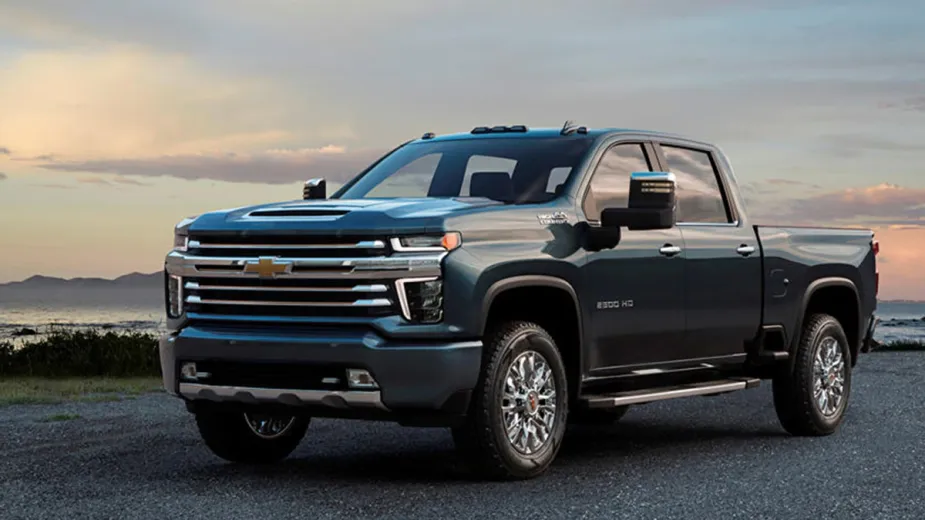
Major U.S. automakers including General Motors, Ford, and Stellantis have collectively absorbed around $6.5 billion in tariff-related costs. Despite domestic production, they still depend on global supply chains.
Global Automakers Also Affected
Several international brands have reported over $1 billion in tariff impacts. These include BMW, Honda, Hyundai, Mercedes-Benz, Nissan, and Volkswagen.
Current Tariff Structure
The tariff system includes a 15% tax on vehicles imported from regions like Europe, Japan, and South Korea. Vehicles from Canada and Mexico face 25% tariffs on non-U.S. parts. Additional duties include 50% tariffs on steel and aluminum and 100% tariffs on China-built EVs.
Industry Challenges & Uncertainty
While tariffs aim to encourage local manufacturing, constant policy changes have created uncertainty. Automakers are struggling to plan long-term investments due to fluctuating trade rules and unclear timelines for future adjustments.
Shift Toward Local Production
Some manufacturers are considering expanding U.S. production to avoid tariffs. However, building new factories takes years and requires major investment, making it a slow and complex solution to current challenges.
Prices In The Middle East
Tariff-related costs primarily affect the U.S. market. However, global pricing could see indirect increases, with Middle Eastern markets potentially experiencing slight price hikes depending on supply chain adjustments.
Conclusion
The $35 billion impact of tariffs highlights the vulnerability of the global automotive industry. While intended to boost domestic manufacturing, these policies have introduced financial strain and uncertainty, forcing automakers to rethink production strategies worldwide.

