

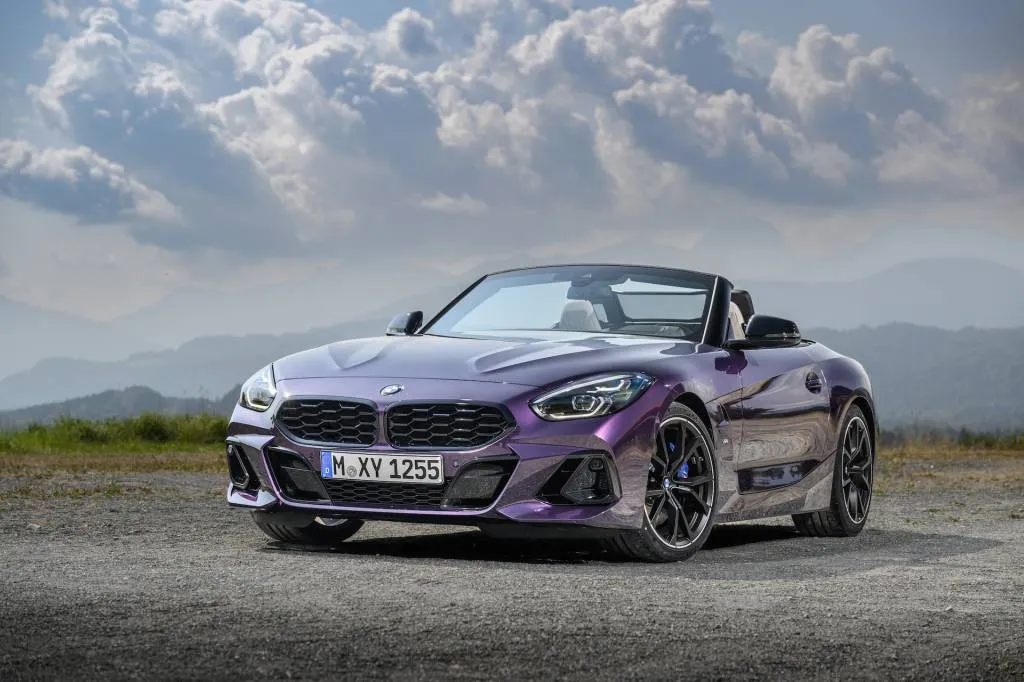
The head of BMW’s M division has acknowledged that manual transmissions are approaching the end of their lifecycle. While enthusiast demand still exists, the financial and engineering realities are becoming increasingly difficult to ignore. The statement reinforces a broader industry shift toward automatic and electrified performance solutions.
Frank van Meel Addresses The Future
Frank van Meel, CEO of BMW M, told that the company intends to keep its current manual offerings for the next few years. However, he admitted that maintaining manual gearboxes beyond this decade will likely become increasingly difficult.
Torque Limits Restrict Availability
BMW’s current six-speed manual transmission is limited to around 440 LB-FT of torque. As modern M cars continue producing higher outputs, that ceiling restricts which models can safely offer a manual. Engineering a new gearbox capable of handling more torque would require significant development costs.
Current BMW Manual Lineup
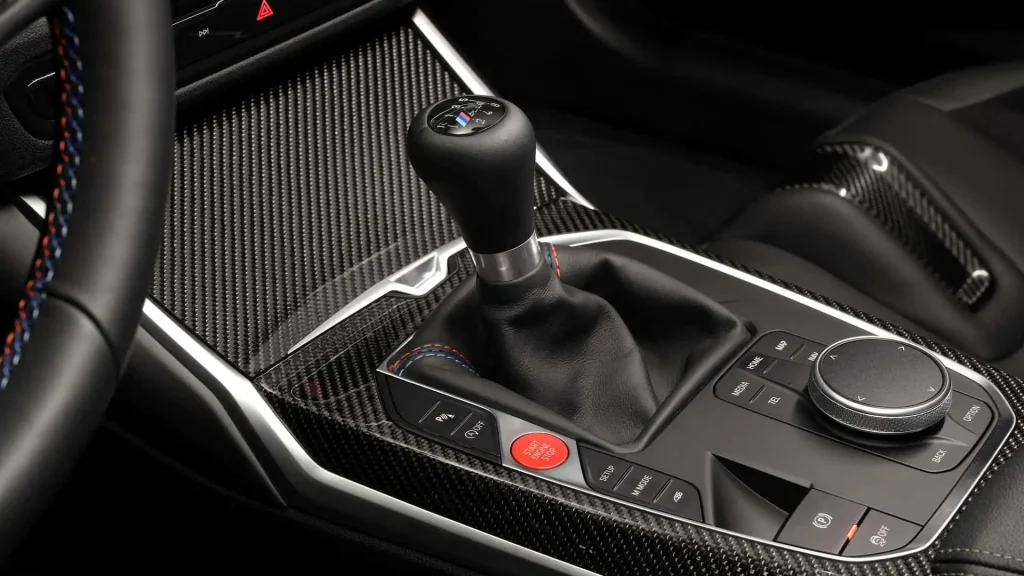
BMW presently offers a manual transmission in four models: the BMW M2, BMW M3, BMW M4, and BMW Z4. Higher-performance CS variants exceed torque thresholds and are exclusively automatic.
Business Case No Longer Strong
According to van Meel, the core issue is economics. As performance vehicles grow more powerful and regulations tighten, the investment required to develop new manual transmissions becomes harder to justify. With most buyers choosing automatic gearboxes, the return on investment continues to shrink.
Performance Evolution And Electrification
Modern performance cars increasingly rely on hybrid systems and instant electric torque measured in NM. Integrating manual transmissions with high-output electrified powertrains adds further complexity. This technological shift makes dual-clutch and advanced automatic systems more practical solutions for future M models.
Middle East Market Perspective
In markets such as the UAE and Saudi Arabia, manual transmissions represent a small portion of performance car sales. Buyers typically favor fast-shifting automatics better suited to heavy traffic and high-temperature driving conditions. As a result, regional impact may be limited if BMW phases out manuals.
Conclusion

While BMW M will retain its current manuals for now, the long-term outlook appears uncertain. Engineering limitations, rising torque figures, and declining demand all point toward an automatic future. For enthusiasts who value the third pedal, the coming years may represent the final chapter of manual BMW M performance cars.

