

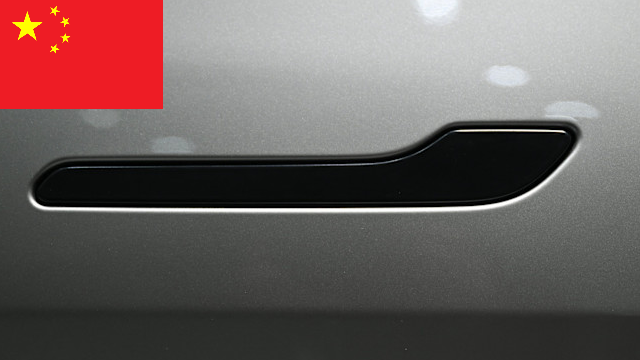
China has officially introduced new regulations banning hidden and electrically powered car door handles, marking a major shift in modern automotive design. The rule, issued by the Ministry of Industry and Information Technology, will take effect on January 1, 2027, and is expected to influence global vehicle development due to China’s dominance as the world’s largest car market.
Why Hidden Door Handles Are Being Banned
Over the past decade, automakers have widely adopted flush and retractable door handles to improve aerodynamics, particularly on electric vehicles. By reducing drag, these designs help increase driving range and overall efficiency. However, safety concerns have led Chinese regulators to take action.
The new regulation mandates that all vehicles sold in China must feature a mechanical door release accessible from both the inside and outside. The aim is to ensure that doors can be opened even in the event of a power failure or severe collision.
Which Types Of Door Handles Are Affected

The ban specifically targets two main designs. First are press-to-release handles, where one side is pushed inward to make the other side pop out for a grip. Second are electrically powered handles that automatically extend outward when the vehicle is unlocked.
Both systems rely heavily on electronic mechanisms, which can fail if the vehicle loses power after an accident. Under the new law, these designs will no longer be permitted unless they include fully mechanical backup systems that meet regulatory standards.
New Design Requirements Explained
For semi-flush handles that sit close to the bodywork but remain manually operable, the regulation outlines clear dimensional requirements. Vehicles must provide a recessed gripping space measuring at least 2.4 INCHES by 0.8 INCH, ensuring sufficient room for a hand to pull the handle safely.
Additionally, manufacturers must place clear signage inside the vehicle indicating how to open the doors in emergency situations. This requirement aims to improve rescue response time and occupant safety.
Safety Incidents Behind The Decision
The regulatory move follows several high-profile incidents involving electric vehicles in China. In particular, crashes involving the Xiaomi SU7 reportedly resulted in fires and power failures that prevented external access to the doors.
Such cases highlighted the risks associated with electronically dependent door systems during emergencies. Regulators concluded that fully mechanical access is essential to improve survivability in severe accidents.
Implementation Timeline
The regulation takes effect on January 1, 2027. However, vehicles that have already received regulatory approval and are close to market launch have been granted an extension until January 2029 to comply. This transition period allows manufacturers time to redesign door systems without disrupting existing production cycles.
Global Impact On Automotive Design And Door Handles
Although the law applies specifically to vehicles sold in China, its influence may extend worldwide. Given China’s position as the largest automotive market, global manufacturers often standardize designs to meet Chinese regulations.
If automakers redesign vehicles to comply with these rules, other markets, including Europe and the Middle East, may see fewer models with fully hidden or powered door handles in the coming years.
What This Means For The Middle East
Luxury electric vehicles with flush or pop-out handles have become increasingly popular across the UAE and GCC markets. If manufacturers adjust global designs to meet Chinese standards, future models arriving in the Middle East could return to more traditional mechanical handle designs.
While aerodynamic efficiency may slightly decrease, improved safety and reliability could outweigh the marginal range benefits of concealed systems.
Final Thoughts
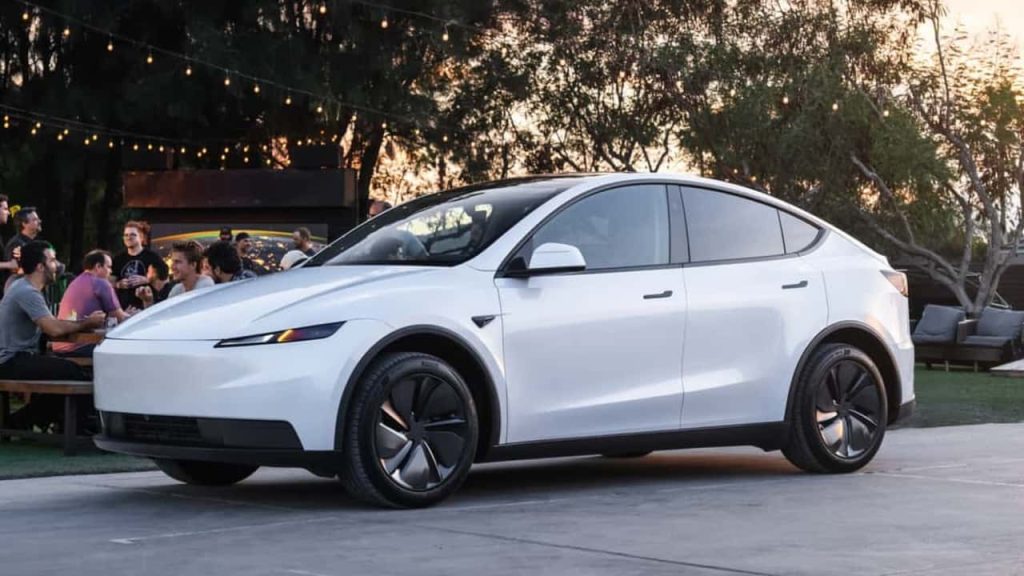
China’s ban on hidden and electrically powered door handles represents a clear shift toward prioritizing mechanical safety over aerodynamic styling trends. As regulations tighten and safety scrutiny increases worldwide, automakers may need to rethink how innovation balances performance, efficiency, and real-world emergency scenarios.

