

Introduction
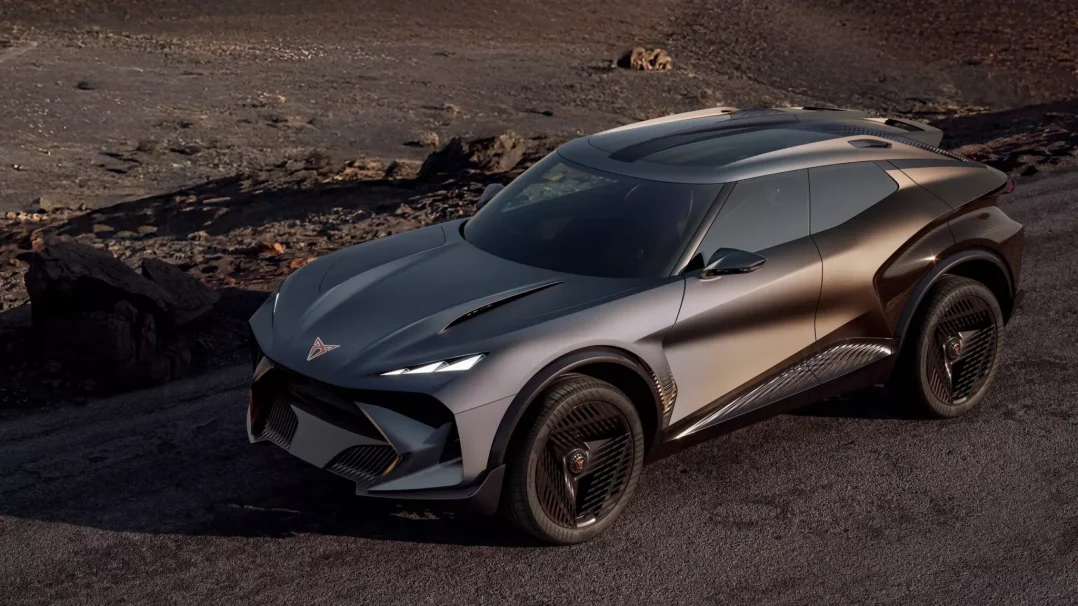
Cupra has unveiled the Tindaya, its largest and most daring concept car to date, at the 2025 Munich IAA Mobility show. Named after the volcanic mountain on the Canary Islands, the Tindaya blends muscular, futuristic styling and cutting-edge technology with a deeply driver-focused philosophy. The concept reflects Cupra’s commitment to delivering cars that embody emotion, passion, and connectivity, rejecting self-driving technology in favor of pure driving engagement.
Design & Exterior
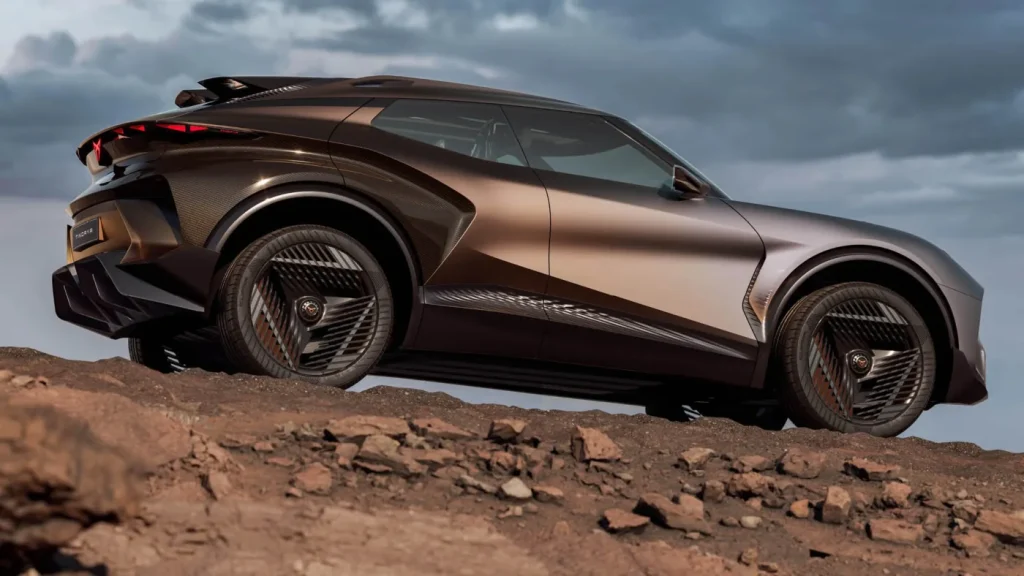
The Tindaya measures an impressive 186 inches long and features massive 23-inch wheels. The exterior’s sharp, seemingly chaotic lines point in many directions, yet are harmonized by designer Jorge Diez and his team to create a cohesive whole. Its “batmobile-like” front fascia encompasses a thick black stripe beneath sharply angled headlights, housing a dynamic digital screen that mimics lighting effects and reacts to the environment. Triangular motifs are echoed in the taillights, with an illuminated Cupra logo adding drama to the rear. The concept’s matte metallic gray paint shifts subtly in tone, inspiring visual references to the Atlantic Ocean and volcanic landscapes surrounding its namesake mountain.
The car’s most striking architectural feature is a 3D-printed aluminum roof spine that structurally supports detachable roof panels to allow openness and convey a “free spirit.” The fastback silhouette, muscular wheel arches, and aerodynamic keels all combine to emphasize speed and performance, while small details like sleek digital accents convey tech sophistication.
Interior & Innovation
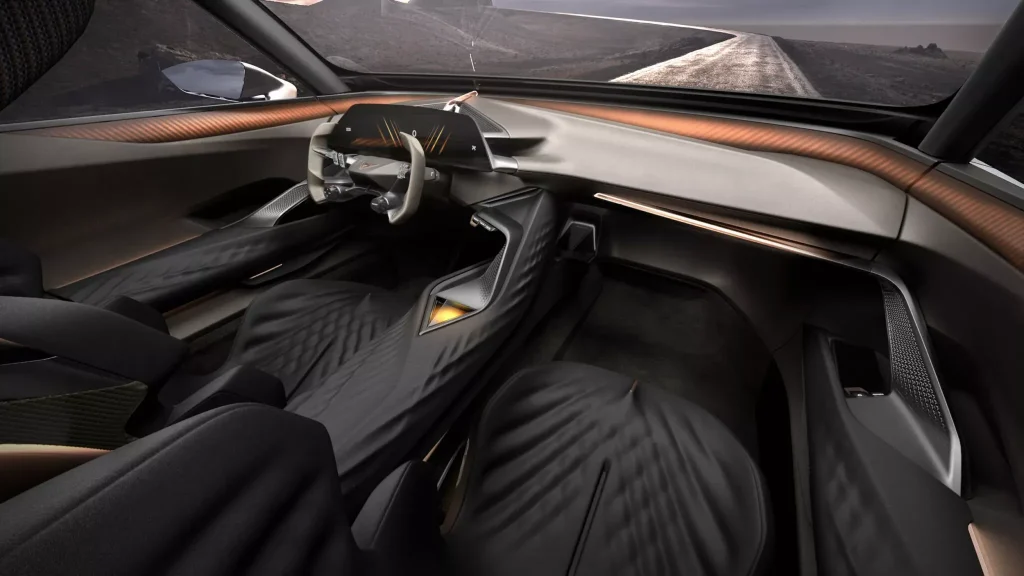
Inside, the Tindaya embraces a 2+2 seating layout with sustainable materials used throughout, including the next-generation CUP bucket seats that reinterpret classic design with modern comfort and sportiness. The interior focuses on “phygital” interaction, merging physical controls with dynamic digital interfaces. Central to this is “The Jewel,” a sensory glass prism that represents the vehicle’s soul, orchestrating light, sound, and environmental feedback to heighten driver awareness and engagement.
The racing-inspired steering yoke places essential controls within easy reach, while the raised center console anchors the driver-centric cockpit. Attention to detail includes environmentally friendly textiles, ambient lighting, and sharp wipes over the interiors that mimic the sculpture-like exterior craft.
‘No Drivers, No Cupra’ & Brand Philosophy
Cupra reiterated its rejection of full self-driving systems with the slogan “No drivers, no Cupra,” emphasizing emotional, connected driving as core to its identity. CEO Markus Haupt remarked that removing drivers in favor of autonomous tech risks losing passion, rebellion, and ultimately humanity itself.
Additional Cupra News From Munich
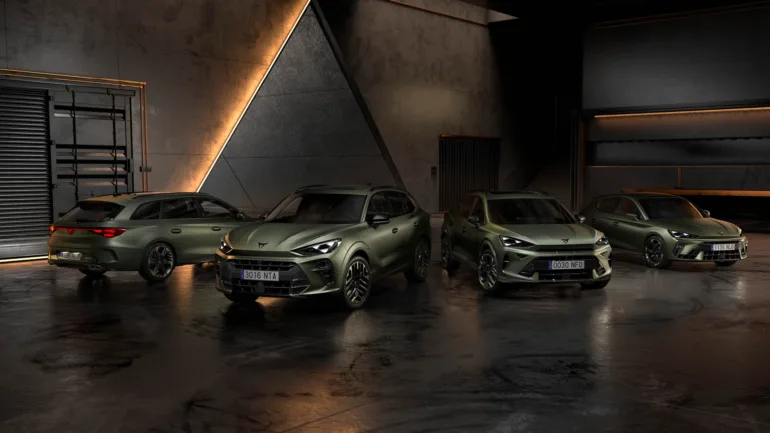
Alongside the Tindaya, Cupra introduced new “Tribe” special editions on models like the Terramar, Formentor, and Leon, offering customization with recycled materials and high-tech textile seats. The brand also teased the upcoming Raval, its first compact electric city car based on VW’s MEB+ platform, due to launch in 2026.
Conclusion
The Cupra Tindaya concept embodies the brand’s bold vision for the future, combining wild design, sustainable innovation, and powerful driver focus in a uniquely emotional package. Though destined only as a concept, the Tindaya signals new design directions and technological advances Cupra plans to integrate as it expands worldwide, including into the rapidly growing Middle Eastern markets

