

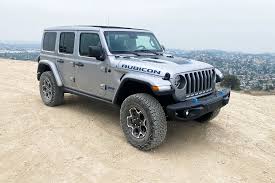
Jeep has initiated a large-scale recall involving over 320,000 plug-in hybrid SUVs due to a potential fire risk caused by defective high-voltage battery cells. The recall affects 228,221 Wrangler 4xe units produced between 2020 and 2025, and 91,844 Grand Cherokee 4xe units from 2022 through 2026. The fault lies in certain battery cells whose internal separators may become damaged, creating conditions that could lead to overheating or spontaneous ignition.
Faulty Battery Cells & Safety Measures
According to data shared with the National Highway Traffic Safety Administration (NHTSA), Jeep found that the battery packs in some models are vulnerable to internal cell separator damage. While the company continues to develop a permanent fix, it has urged owners to take immediate safety precautions. Jeep advises that affected vehicles be parked outdoors, away from buildings or other cars, and not charged until further notice. Keeping the battery in a depleted state significantly reduces fire risk. Jeep confirmed that nine incidents of fire have been recorded in vehicles that previously received a software update intended to fix the issue. The recurrence indicates a deeper hardware flaw within the battery cells themselves, prompting a complete reassessment of the recall strategy.
Broader Recall Context & Manufacturer Response
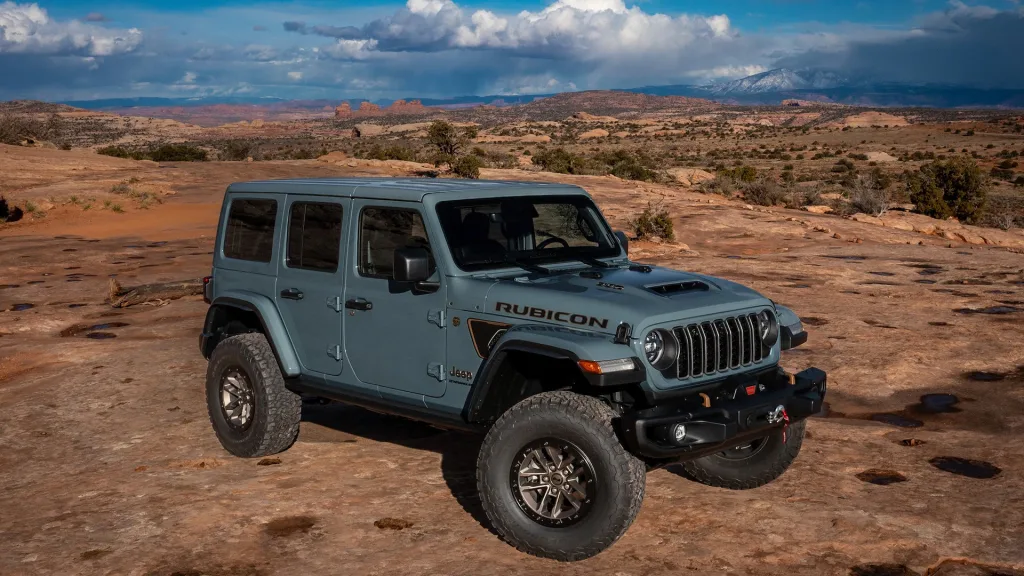
This recall follows a similar campaign from earlier years that involved about 154,000 Wrangler and Grand Cherokee plug-in hybrids. Jeep’s parent company, Stellantis, has since partnered with battery suppliers and engineers to pinpoint the defective batches and finalize a durable hardware solution. Once validated, replacement components will be distributed to dealerships, and owners will be notified to schedule repairs at no cost. Until then, Jeep owners are urged to remain cautious, follow official safety guidelines, and await updates from local service centers. Stellantis has assured customers that it remains committed to ensuring the safety, reliability, and longevity of its hybrid SUV lineup.
Impact & Relevance To The Middle East
While the recall currently targets U.S.-market vehicles, it underscores the challenges of integrating high-voltage hybrid systems in markets like the Middle East, where extreme temperatures can stress battery performance. Both the Wrangler 4xe and Grand Cherokee 4xe have seen growing popularity in the UAE, Saudi Arabia, and Kuwait, where luxury buyers are seeking sustainable off-road capability without sacrificing power or refinement. Regional Jeep distributors are expected to coordinate with Stellantis Middle East to verify that all regional imports and existing models are fitted with safe, updated battery systems. The company has emphasized that vehicles sold in the Middle East adhere to localized standards designed for the region’s demanding climate.
Prices & Availability In The Middle East
In the Middle East, the Jeep Wrangler 4xe typically starts around AED 250,000, while the Grand Cherokee 4xe begins at roughly AED 280,000, depending on market and trim level. Despite the ongoing investigation, both models remain available for sale through authorized dealerships, with full service support and warranty coverage. Dealerships across the region are expected to perform checks and, if necessary, carry out battery inspections as part of preventive maintenance once Jeep’s permanent fix is rolled out globally.
Conclusion
The recall of Jeep’s hybrid SUVs highlights the growing pains of electrification in mainstream off-road vehicles. While the brand’s Wrangler 4xe and Grand Cherokee 4xe remain benchmarks in combining adventure with eco-efficiency, the ongoing investigation serves as a crucial step toward reinforcing safety and consumer confidence. With Stellantis actively addressing the issue, the long-term future of Jeep’s hybrid lineup remains strong, focused on innovation, durability, and the trust of its global and Middle Eastern customers alike.

