
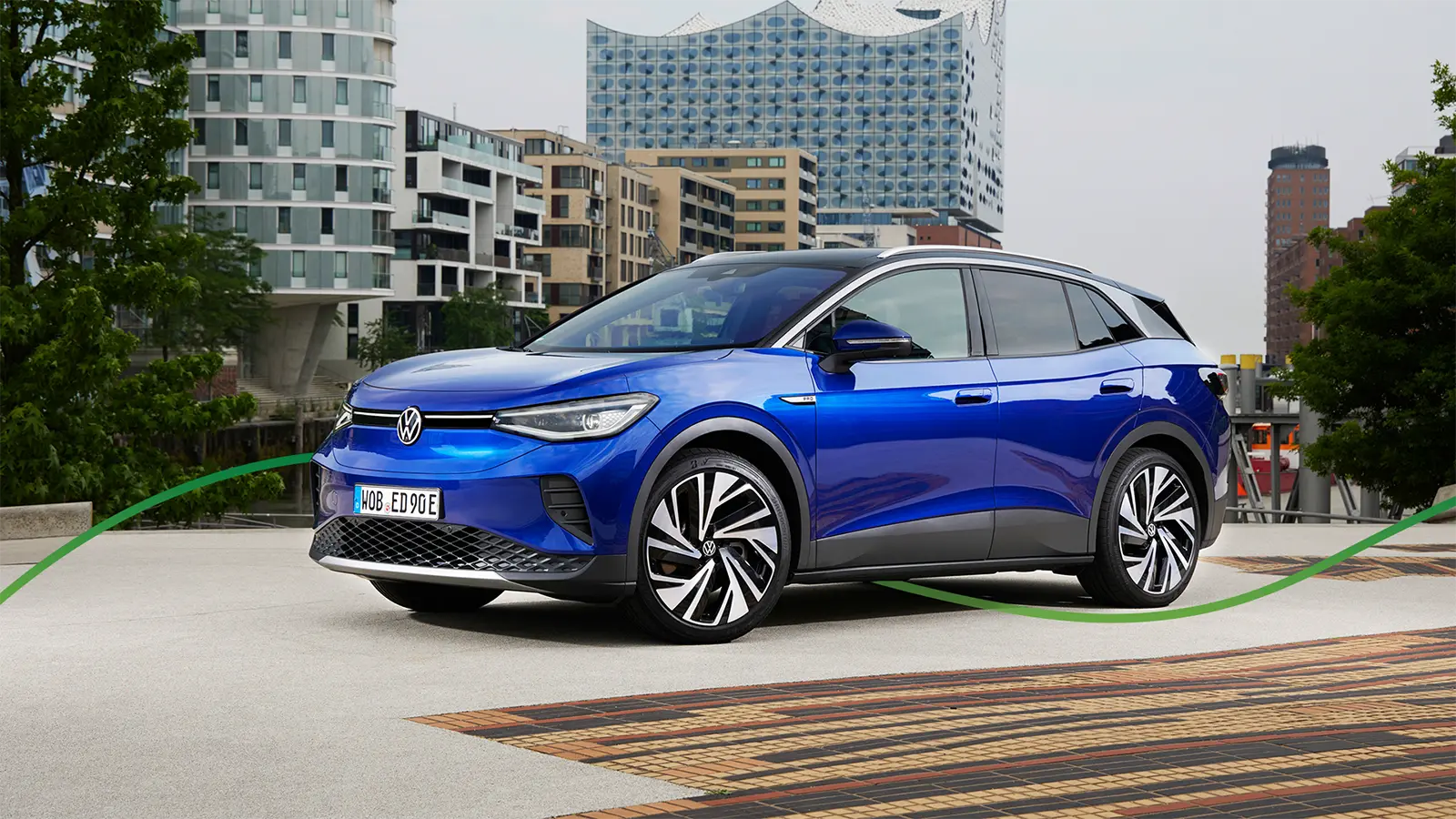
Volkswagen is preparing a major shift in its electric vehicle naming strategy, with plans to rename the Volkswagen ID.4 electric crossover as the ID. Tiguan. The move is aimed at strengthening brand recognition by linking electric models more closely with Volkswagen’s best-known combustion vehicles. Spy images of updated test models already reveal design changes that make the electric crossover look strikingly similar to the petrol-powered Tiguan.
Why Volkswagen ID.4 Is Changing Its Name
Name recognition plays a major role in vehicle sales, especially as the global market transitions toward electrification. The Tiguan is one of Volkswagen’s most successful nameplates worldwide, with strong sales across Europe, the Middle East, and North America. By adopting the Tiguan badge for its electric crossover, Volkswagen aims to make its EV lineup more familiar and easier to understand for mainstream buyers.
The ID branding will remain, but future models will combine the ID prefix with established model names. This means Volkswagen ID.4 will sit alongside the standard Tiguan rather than replacing it immediately.
Confirmation From Germany
According to reports from Automotive News, the IG Metall labor union in Germany confirmed the renaming plan during a recent press conference. While Volkswagen has not officially commented on the matter, the information aligns with internal production schedules and upcoming product updates.
A Volkswagen spokesperson declined to confirm the report when contacted, but multiple industry sources suggest the change is already in motion.
Volkswagen ID.4 Facelift Brings Tiguan-Inspired Styling
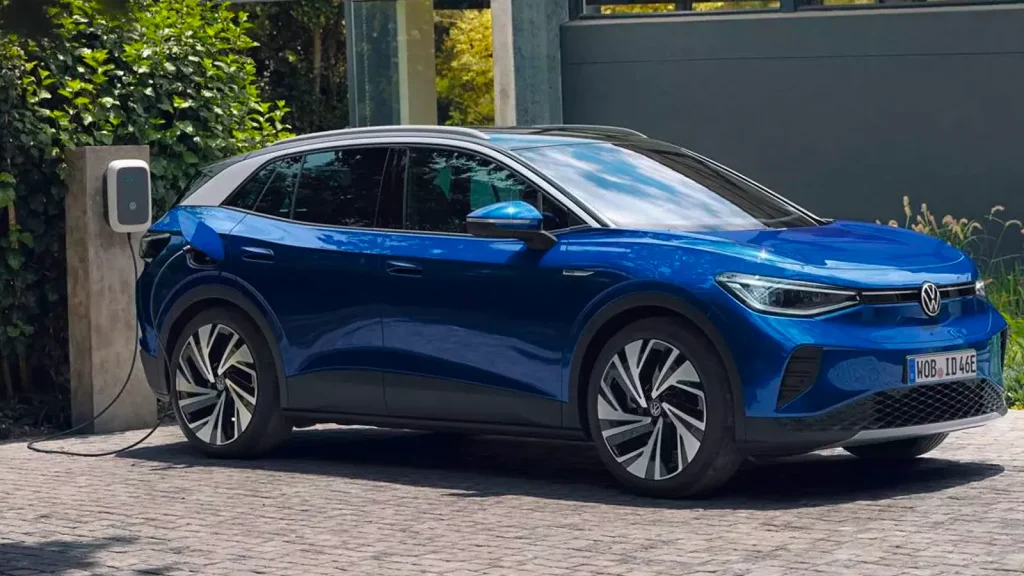
The renaming will coincide with a major facelift for the electric crossover. Spy photos of ID.4 test vehicles show a redesigned front end that closely resembles the latest combustion-powered Tiguan.
The updated design includes slimmer headlights, a more upright nose, and cleaner body surfacing. The goal is visual consistency across petrol, hybrid, and electric models. From a distance, the upcoming ID. Tiguan will be nearly indistinguishable from its ICE sibling.
This approach mirrors Volkswagen’s broader strategy of unifying design language across all powertrains.
Volkswagen ID.4: Exterior Design Changes Expected
The refreshed electric crossover is expected to receive revised bumpers, updated LED lighting signatures, and new alloy wheel designs. Aerodynamic tweaks will likely improve efficiency without altering overall proportions.
While the body structure will remain largely unchanged, subtle detailing updates are intended to modernize the vehicle and align it with Volkswagen’s latest global styling direction.
Interior & Technology Updates
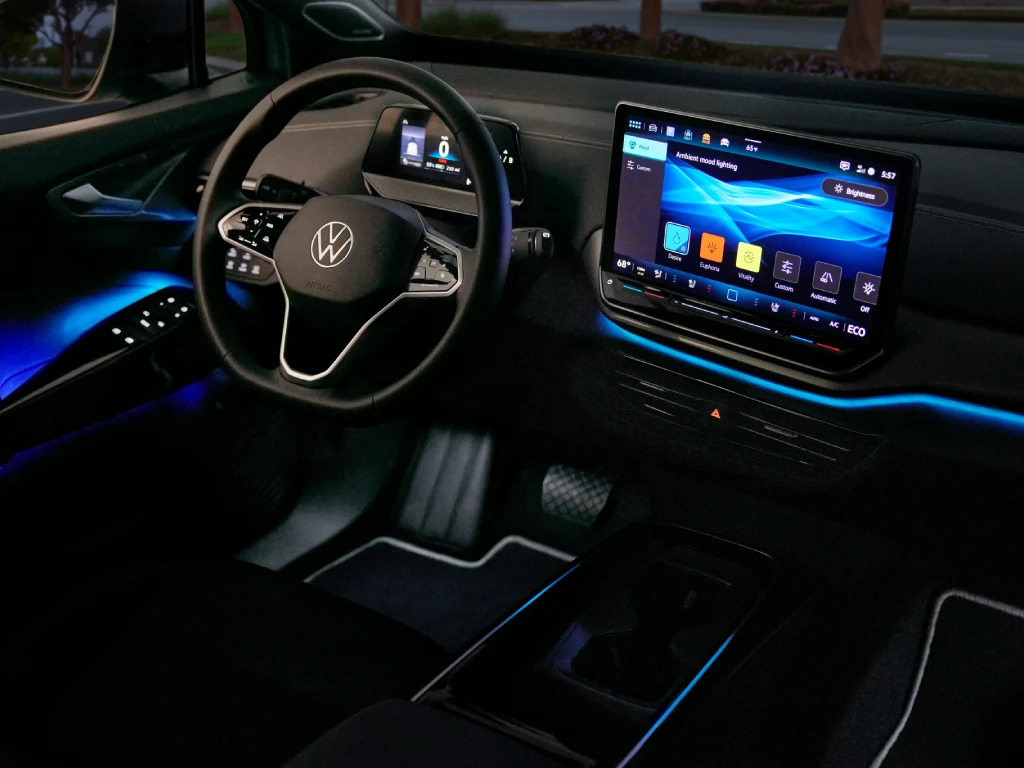
Although official interior images have not yet surfaced, the facelifted model is expected to feature Volkswagen’s latest infotainment system. Improvements may include a larger touchscreen, faster software response, and simplified climate controls.
Updated driver-assistance systems and enhanced connectivity features are also expected as part of the mid-cycle update.
Powertrain Expectations
Volkswagen is not expected to introduce major mechanical changes with the rename. The ID. Tiguan will continue using the MEB electric platform.
Battery options are likely to remain similar to the current ID.4 lineup, with rear-wheel-drive and all-wheel-drive configurations available depending on market. Software updates and efficiency improvements may slightly increase driving range.
Performance figures are expected to remain competitive within the compact electric SUV segment.
Global Launch Timeline
The updated electric crossover is expected to debut in Europe later this year. North American markets will follow shortly after, while Middle East availability is expected within the same launch cycle.
According to industry reports, production of the updated ID. Tiguan is planned to continue until at least 2031, ensuring long-term support and global availability.
Prices In The Middle East
Volkswagen has not announced official pricing for the renamed model. However, pricing is expected to remain close to the current ID.4 range.
In the Middle East, estimated starting prices are likely to fall between AED 165,000 and AED 190,000, depending on battery size and drivetrain configuration. Higher-spec all-wheel-drive variants may cross the AED 210,000 mark.
Final pricing will vary by country and incentive structure across the region.
Middle East Market Relevance
The Tiguan name carries strong brand value across the Middle East, where Volkswagen SUVs enjoy consistent demand. Using a familiar badge for an electric vehicle is expected to reduce buyer hesitation and improve showroom interest.
As regional charging infrastructure expands and EV adoption increases, the ID. Tiguan could become one of Volkswagen’s most important electric models in markets such as the UAE and Saudi Arabia.
The strategy also helps buyers transition more comfortably from combustion vehicles to electric alternatives.
Final Verdict
Renaming the ID.4 as the ID. Tiguan marks a significant shift in Volkswagen’s electric strategy. By pairing electric technology with established model names, the brand aims to simplify its lineup and strengthen customer trust.
With refreshed styling, familiar branding, and proven electric architecture, the upcoming ID. Tiguan is positioned to play a key role in Volkswagen’s global EV expansion. For markets like the Middle East, where name recognition matters deeply, the move could prove to be a smart and timely decision.

